China Best Running Shoes for Global Buyers What to Choose?
As the global market for running shoes evolves, understanding the best options becomes crucial. Dr. Emily Chen, a renowned expert in sports footwear, states, "The right pair of running shoes can significantly impact performance and injury prevention." Her insight emphasizes the importance of choosing suitable running shoes.
In a world filled with diverse brands and styles, selecting the ideal running shoes can be overwhelming. Different runners have unique needs based on their foot shape, running style, and terrain. For example, a trail runner may require shoes with more grip, while a road runner prioritizes cushioning. The market offers a myriad of choices, which can lead to confusion.
Additionally, quality matters. Some brands may advertise running shoes that look appealing but lack the necessary support. It’s essential to consider expert reviews and user feedback. A reliable running shoe combines comfort, durability, and functionality. Thus, potential buyers should invest time in research to find shoes that fit their specific needs. This thoughtful approach can make all the difference in their running experience.

China's Growing Influence in the Global Running Shoe Market
China's running shoe market is rapidly expanding, capturing a significant share of global sales. According to a recent report by Allied Market Research, the global running shoe market valued at $18.5 billion in 2022 is projected to reach $28 billion by 2030, with China leading the charge in production and exportation. This trend reflects China's strategic investments and innovations in manufacturing technology, setting a benchmark for quality and affordability.
Consumers around the world are increasingly turning to Chinese brands for competitive pricing and emerging designs. In 2023, 35% of global athletic footwear sales were attributed to Chinese manufacturers, illustrating their rising influence. Several factors drive this growth, including enhanced supply chain efficiencies and a focus on sustainable materials. However, some challenges remain. Quality control inconsistencies sometimes arise, leading to buyer hesitation. The market also faces scrutiny regarding labor practices, which demands ongoing attention and improvement to ensure ethical standards.
Ultimately, the growth of China's standing in the running shoe market presents both opportunities and hurdles. Global buyers must navigate this evolving landscape, balancing costs with quality and ethical considerations. As the industry continues to develop, ongoing consumer feedback will be crucial in shaping future offerings.
China's Growing Influence in the Global Running Shoe Market
Top Brands in China Offering Quality Running Shoes
When seeking quality running shoes in China, several top brands stand out. Reports indicate that the Chinese athletic shoe market is projected to reach approximately $11 billion by 2025. This growth reflects the increasing consumer awareness and preference for high-performance footwear.
Leading brands in China maintain strict quality control and utilize advanced technologies. Many adopt sustainable practices as well. These brands focus on durability, cushioning, and support, essential traits for runners. However, it is vital to understand that not all shoes fit all types of feet.
Tips:
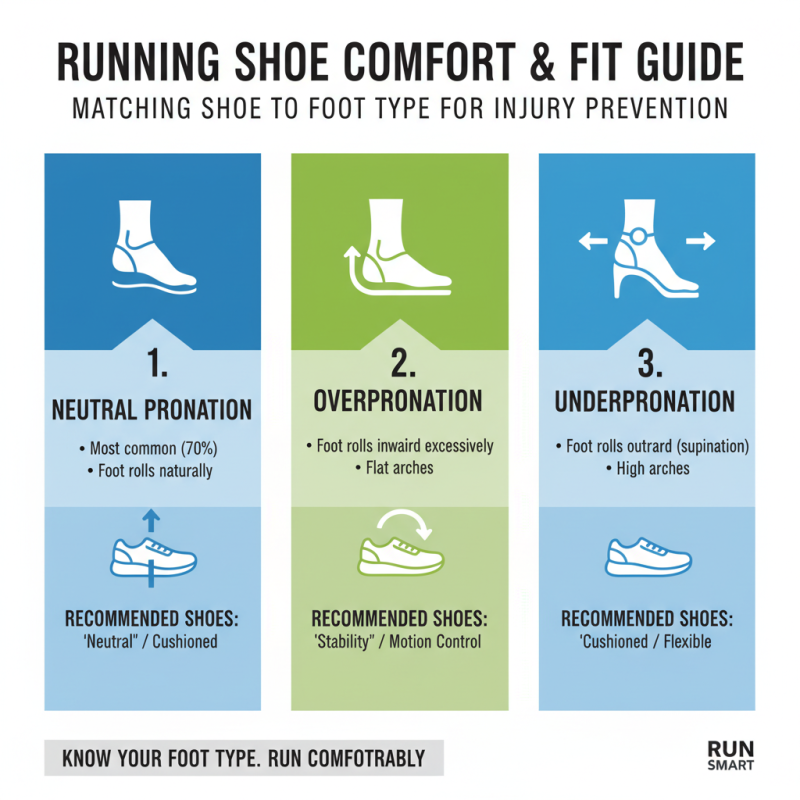
Consider your running style. Determine if you overpronate or have a neutral stride. Test the shoes for comfort and flexibility before purchasing.
It’s worth noting that while many options are available, finding the right pair may take time. Trying various models can help identify the best fit. Seek input from seasoned runners or experts for valuable insights. Understanding the nuances of shoe features is key to making an informed choice.
How to Evaluate Comfort and Fit When Choosing Running Shoes
When evaluating comfort and fit for running shoes, start by understanding your foot type. Most runners fall into three categories: neutral, overpronators, and underpronators. A study found that around 70% of runners have neutral pronation, which influences shoe selection. Choosing shoes that match your pronation can enhance comfort and prevent injuries.
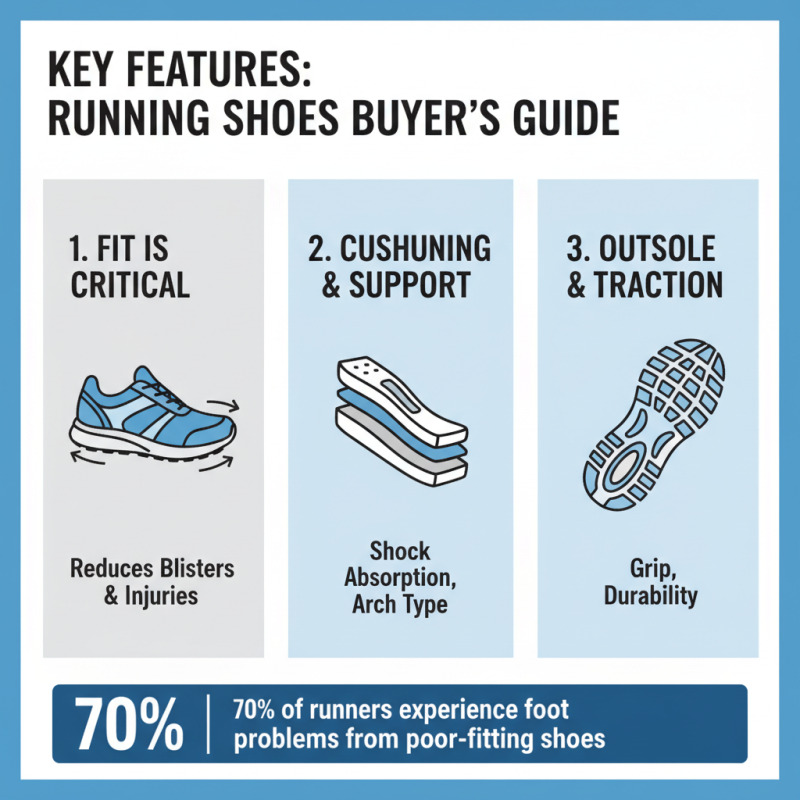
Pay attention to the shoe’s fit. There should be at least half an inch of space between your longest toe and the shoe’s end. Industry reports indicate that 80% of runners wear shoes that are too small, leading to discomfort and blisters. It's also important to test shoes with your preferred running sock to ensure proper fit.
Consider the cushioning and support features. Runners often prefer different levels of cushioning based on preference and running style. A survey revealed that 75% of runners who prioritize cushioning report better comfort. However, some may find excessive cushioning can detract from stability. Reflect on your experiences; if a shoe feels too soft, it may not provide enough support for longer runs.
Sustainable Practices in China's Running Shoe Manufacturing Industry
In recent years, the running shoe manufacturing industry in China has made strides toward sustainability. Many factories now use eco-friendly materials. These materials are often recycled or sourced from sustainable processes. For instance, some manufacturers are using organic cotton and natural rubber. This shift not only reduces waste but also lessens the environmental impact of production.
However, challenges remain. The transition to sustainable practices can be costly and slow. Some factories struggle with outdated machinery. This limits their ability to adopt new technologies. Moreover, the demand for fast fashion often conflicts with sustainable goals. Consumers frequently prioritize low prices over environmental concerns.
Transparency is another vital issue. Many buyers want to know where and how products are made. Unfortunately, limited information is available. This lack of clarity makes it hard for customers to make informed choices. Efforts are being made to improve this aspect, but there is still much work to do. The journey toward sustainable running shoe manufacturing in China is ongoing and complex. Progress is being made, yet it requires collective effort and commitment from all involved.
China Best Running Shoes for Global Buyers What to Choose? - Sustainable Practices in China's Running Shoe Manufacturing Industry
| Model |
Material |
Weight (g) |
Sustainability Rating |
Price (USD) |
| Model A |
Recycled Polyester |
250 |
4.5/5 |
100 |
| Model B |
Organic Cotton |
280 |
4.0/5 |
120 |
| Model C |
Biodegradable Materials |
300 |
5.0/5 |
150 |
| Model D |
Eco-Friendly Synthetic |
240 |
4.2/5 |
110 |
| Model E |
Vegan Leather |
290 |
4.8/5 |
130 |