How to Choose the Best Outdoor Shoes in 2026?
Choosing Outdoor Shoes in 2026 starts with a simple question: where will they take you? A damp forest path, a rocky ridge, and a paved trail place very different demands on footwear. The right pair should match your terrain, distance, weather, and the shape of your foot—not just a product photo.
The Outdoor Industry Association’s 2024 Outdoor Participation Trends Report found that 175.8 million Americans aged six and older took part in outdoor recreation during 2023, or 57.3% of that population. That figure signals a large and active audience, but participation data cannot tell you which shoe will fit well or grip a particular trail. Fit still decides. Check for secure heel hold, toe room on descents, and traction suited to the ground you actually walk on.
This guide compares trail runners, hiking shoes, and sturdier boots through practical details: outsole pattern, cushioning, support, weight, and upper materials. A lugged sole may bite into soft dirt yet feel clumsy on smooth pavement. A light shoe can feel freeing at first, then expose its limits under a heavy pack. Small differences matter. Use manufacturer specifications as a starting point, and try shoes with the socks you plan to wear. No chart can replace a careful fit check, and even good advice deserves a reality check on the trail.
Identify Your Outdoor Activities and Terrain Needs
Choosing outdoor shoes starts with an honest map of your plans, not a tread pattern that looks rugged. The Outdoor Industry Association’s 2024 Outdoor Participation Trends Report counted 175.8 million U.S. participants in outdoor recreation during 2023. That variety matters: a packed park path, a rocky ridge, and a muddy forest track place different demands on footwear.
For smooth trails and day hikes, prioritize a stable fit, comfortable cushioning, and moderate tread. Loose gravel or steep, uneven ground calls for deeper, well-spaced lugs and a secure heel. On wet rock, softer rubber may improve contact, but no outsole removes the risk of slipping. Waterproof uppers can help in cold, persistent rain; in warm weather, they may feel less breathable. Try shoes late in the day, when feet may be slightly larger, and test them on a ramp if possible. Leave room for your toes on descents. I still misjudge mud sometimes.
Tips: Match the shoe to your most frequent terrain, then check the forecast and pack weight. Wear your usual hiking socks during fitting. Walk downhill; if your toes hit the front, try another size or shape. A short test walk can reveal pressure points, though it cannot guarantee comfort on a long route.
Compare Outdoor Shoe Types for Different Uses
How to Choose the Best Outdoor Shoes in 2026?
Compare Outdoor Shoe Types for Different Uses
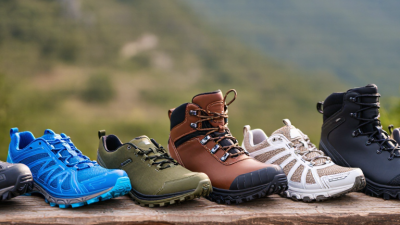
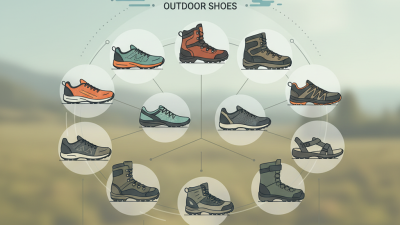
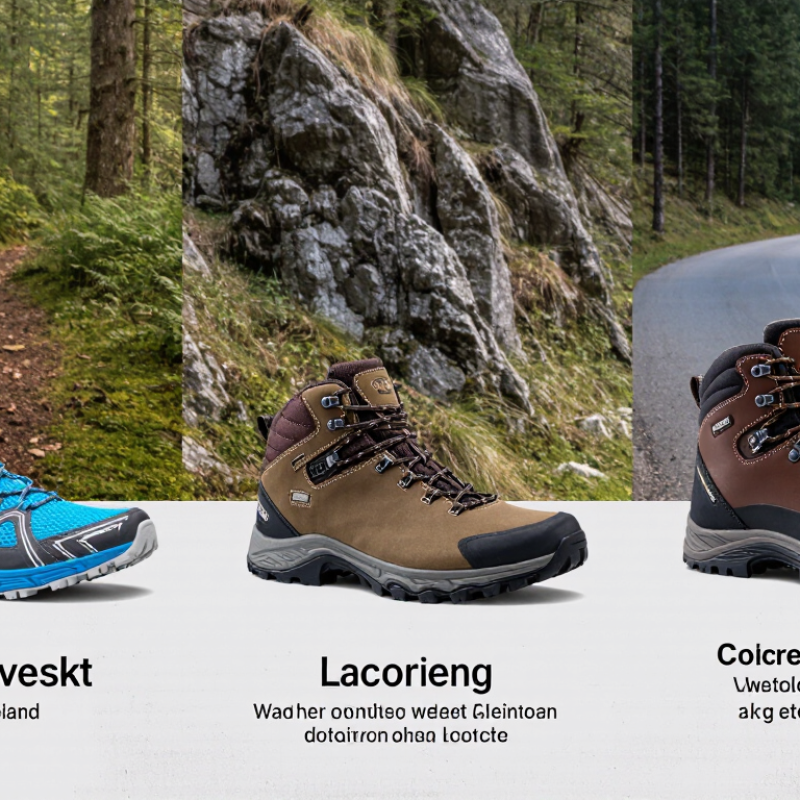
Trail-running shoes suit fast hikes, packed dirt, and light loads. Their lighter build feels nimble, but soft cushioning may wear quickly on sharp rock. Hiking shoes offer firmer support and more protection around the toes. Choose them for day hikes with uneven ground or a small backpack. Hiking boots add ankle coverage and structure for heavy loads, loose trails, or cold, wet conditions. Approach shoes have grippy, close-fitting soles for rocky scrambles; they can feel stiff on long, flat walks. Fit beats category. A shoe that rubs at the heel can spoil an otherwise easy trail.
The Outdoor Industry Association’s 2024 Outdoor Participation Trends Report counted 175.8 million U.S. outdoor recreation participants in 2023. That broad figure does not tell us which shoes people need, but it shows how varied outdoor use can be. Match footwear to your usual terrain, distance, and pack weight—not an idealized expedition. Check the sole’s grip on damp ground, and try shoes late in the day, when feet may be slightly larger. I still find sizing imperfect across shoe shapes; trust a careful fitting over the printed number.
Tips: Wear your usual hiking socks when trying shoes. Leave room to wiggle your toes, then walk downhill or on a ramp to check for forward slip. For wet routes, compare water resistance with breathability: keeping water out can also keep sweat in.
Evaluate Fit, Support, Traction, and Weather Protection
How to Choose the Best Outdoor Shoes in 2026?
Fit and support should reflect where and how long you plan to walk. Try shoes late in the day, when feet may be slightly swollen, and wear your usual hiking socks. Leave about a thumb’s width in front of your toes. On a ramp or staircase, check for forward sliding and heel lift. Your toes need room, but your foot should not swim inside the shoe. I still find fit tricky: a comfortable shop floor cannot fully predict a rocky descent.
Traction depends on the ground. Deeper, widely spaced lugs can grip loose dirt, while flatter patterns may feel steadier on paved paths. Flex the sole gently, but avoid choosing a shoe that twists too easily for your loaded route. For wet or cold conditions, consider water resistance and insulation. Fully waterproof materials can limit airflow, so feet may feel damp from sweat on warm days. Match protection to the forecast, not just the label.
Tips: Test shoes on a short walk before a full outing. Bring your pack if you can. Notice rubbing, pressure, or slipping early; discomfort rarely improves just because the trail gets longer.
Check Materials, Durability, and 2026 Design Features
Choosing outdoor shoes in 2026 means looking beyond a soft first impression. Run your fingers along the stitching and check whether the upper feels sturdy without trapping heat. Recycled yarns and lower-impact foams are appearing in more designs, but materials still vary in breathability, grip, and lifespan. Feel the seams.
For durability, inspect the sole’s edges, the heel counter, and the points where the upper meets the midsole. These areas often show wear early on. A deeper tread can help on loose trails, while a flexible sole may feel better on packed paths. Match the shoe to your usual ground, not an imagined adventure. I once chose a rugged-looking pair for everyday walks; the stiff sole became tiring on pavement.
Newer 2026 designs may include replaceable insoles, reinforced high-wear zones, and lighter protective plates. Treat these as useful features, not guarantees of quality. Ask whether worn parts can actually be replaced, and try shoes late in the day, when feet may be slightly swollen. Not always. A roomy toe box matters, but too much space can let your foot slide on descents. Walk on a ramp or uneven surface before deciding, if the store allows it.
Test Shoes and Match Your Choice to Your Budget
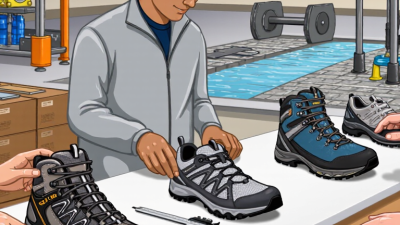
Choosing outdoor shoes starts with a real fit test, not a shelf label. Wear the socks you plan to hike in, then lace both shoes snugly. Walk for several minutes. Try stairs or a gentle incline if available. Your toes should not hit the front when you step downhill, and your heel should stay mostly in place. Small discomfort matters.
Test them late in the day, when feet may be slightly swollen. Notice pressure around the toes, arch, and ankle. A shoe that feels firm is not always supportive; painful rubbing rarely disappears on a long trail. If possible, walk on a few different surfaces. Carpet can hide problems that hard floors reveal. This test is imperfect, but better than guessing from appearance.
Match the purchase to your budget and actual use. For occasional walks on maintained paths, a comfortable, durable entry-level pair may be enough. Rough terrain or frequent wet conditions can justify spending more on grip, protection, and materials that hold up. Compare fit and construction, not just price. Leave room in your budget for suitable socks, and check the store’s indoor return policy before testing at home. A bargain is less useful if the fit keeps you from wearing the shoes.