What Are the Top Types of Running Shoes?
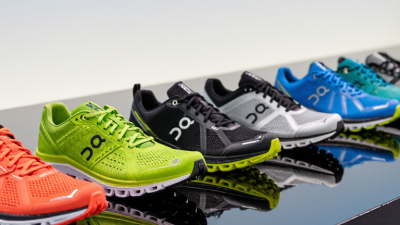
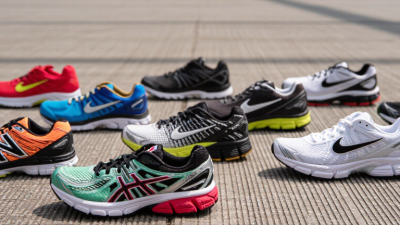
Choosing Running Shoes starts with a simple question: where will you run? A smooth pavement route, a muddy woodland path, and a track place different demands on your feet. Road shoes usually offer cushioning and a smooth outsole for hard surfaces. Trail shoes add deeper grip and tougher uppers for loose ground. Daily trainers suit regular miles, while lightweight racing shoes prioritize speed. Stability models may help some runners feel supported, but they are not automatically better for everyone.
Sports scientist Dr. Benno Nigg is often associated with this practical advice: “The best shoe is the one that feels best.” Comfort is a useful starting point, not a guarantee of injury prevention or improved performance. Check that your toes have room, your heel feels secure, and the shoe remains comfortable during a short test run. Notice the details: a pinching edge, a slippery turn, or a hot spot after several minutes. Small things matter.
This guide compares the top types of running shoes by terrain, purpose, fit, and feel. It will cover neutral and stability options, trail and road designs, and shoes made for speed or everyday training. Your mileage, pace, and preferences should shape the choice—not a trend or a label alone. And there is no perfect category for every runner. Even careful advice has limits; trying shoes yourself may reveal what a chart cannot.
How Running Shoes Are Classified by Design and Purpose
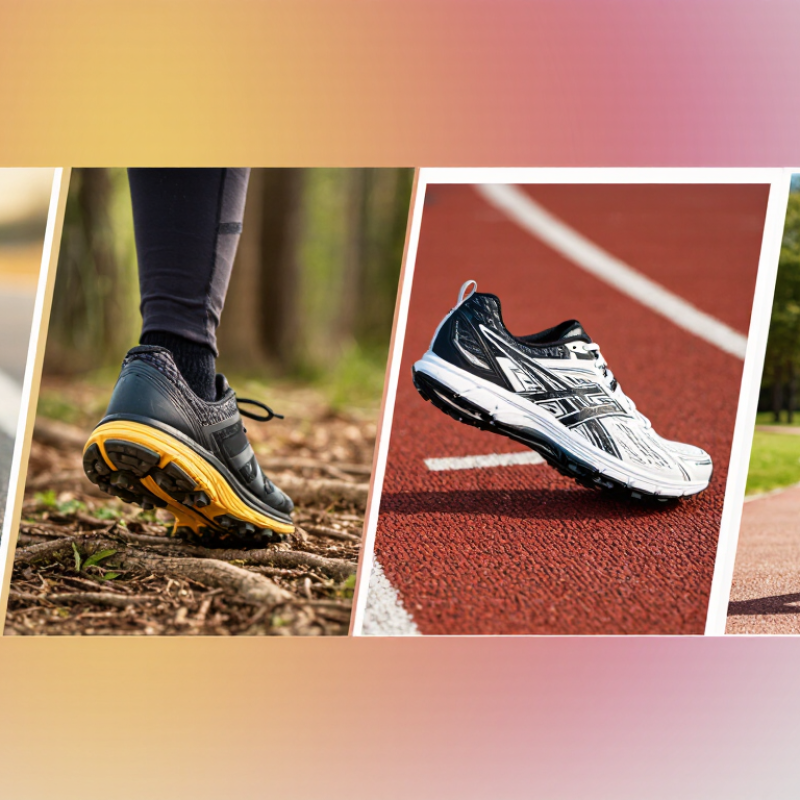
Running shoes are easier to choose when classified by where and how they are meant to work. Road shoes usually have smooth outsoles for pavement and treadmills. Trail shoes add deeper lugs and protective overlays to grip loose dirt and shield toes from stones. Some sit between the two, with moderate tread for park paths.
Purpose also shapes cushioning and support. Neutral shoes allow natural foot movement, while stability designs use firmer sections or shaped midsoles to guide motion. These are design choices, not medical fixes. Max-cushion models have thicker midsoles for comfort on hard surfaces, though they may feel less nimble on tight turns. Racing shoes are generally lighter and more responsive, but speed is not guaranteed. Minimalist shoes have low heels and flexible soles, asking the foot and lower leg to do more work. Transition slowly.
Try shoes late in the day, when feet may be slightly larger, and check that your toes can spread without rubbing. Walk, jog, and turn in them if possible. Fit matters most. I’d reconsider any category that seems right on paper but pinches after ten minutes; comfort varies, and shoe types often overlap.
Road Running Shoes for Pavement and Treadmills
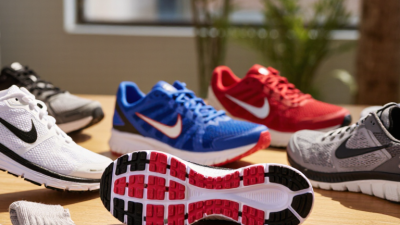
Road running shoes are made for steady contact with firm surfaces, including sidewalks, asphalt, and treadmill belts. Their outsoles usually have a flatter tread than trail shoes, which need deeper lugs for loose ground. On pavement, a well-fitting pair can soften repeated impacts. On a treadmill, the moving belt provides a slightly different feel, but stable fit still matters.
Tips: Try shoes later in the day, when feet may be a little fuller. Leave roughly a thumb’s width in front of your longest toe, and check that your heel does not slip. Walk, then jog briefly if the store allows it. A few steps can reveal rubbing that a quick glance misses.
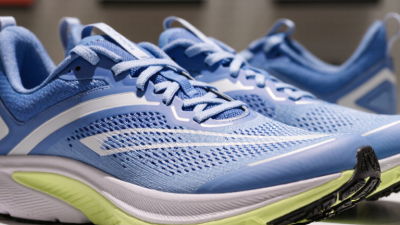
Cushioning preferences vary, so do not choose by softness alone. A very plush shoe may feel comfortable at first but less steady to some runners. I would treat that as a useful reminder, not a universal rule. Notice pressure under the arch, toe movement, and how the shoe feels after several minutes. If your routes switch between pavement and treadmill, a versatile road shoe is often practical; replace it when the outsole is worn unevenly or the midsole feels noticeably less supportive.
What Are the Top Types of Running Shoes? — Road Running Shoes for Pavement and Treadmills
Common Heel-to-Toe Drop Categories in Road Running Shoes
Heel-to-toe drop is the height difference between a shoe’s heel and forefoot, measured in millimeters. These commonly used ranges are guidelines, not strict standards; cushioning and stability are separate shoe features. Road-running shoes are designed for paved surfaces and can also be used on treadmills. Choose a drop and shoe design that feel comfortable for your running needs.
Trail Running Shoes for Uneven and Rugged Terrain
Trail running shoes are built for loose dirt, wet roots, stones, and uneven ground. Their deeper rubber lugs help grip soft or slippery surfaces, while a protective plate may reduce discomfort from sharp rocks. Not every trail needs the same tread. Shallow lugs can feel smoother on packed paths, but may struggle in mud. Very aggressive lugs can feel clumsy on pavement. Choose based on the routes you actually run, not the roughest trail you might visit once.
Tips: Try shoes late in the day, when feet may be slightly swollen. Leave a thumb’s width at the toe, and check that your heel stays secure on a short incline. Test the shoes on a familiar path before a long outing. Small details matter.
Fit and stability deserve as much attention as grip. A wide platform can feel reassuring on slanted ground, but it cannot prevent every stumble. On rocky routes, a snug midfoot helps limit sliding inside the shoe. If your usual shoes feel stiff, give a new pair a few short runs before deciding. Still, some models never feel right; that is useful information, not a failure.
Track Spikes and Racing Flats for Speed
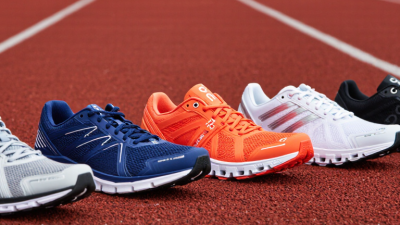
Track spikes and racing flats are built for speed, but they solve different problems. Track spikes use a firm sole and small pins to grip the track during fast turns and powerful push-offs. Their stiff feel can help sprinters and middle-distance runners stay connected to the surface. They are not comfortable for every workout. Pin length and shoe fit matter, and the track’s surface should guide your choice.
Racing flats are lightweight shoes for road races and quicker training sessions. They usually have less cushioning than everyday trainers, so the ground can feel closer underfoot. That direct feel may suit experienced runners, but it can surprise anyone used to soft, supportive shoes. Start with a short, easy run rather than wearing them for a full race. Check for rubbing around the heel and toes; small fit problems can become obvious when pace rises. Less weight, less protection. That trade-off is easy to underestimate.
Neither option automatically makes a runner faster. A shoe should feel secure, with no pinching or slipping, and match the event and runner’s training. Transition gradually, especially if your calves or feet are not accustomed to firmer footwear. Honestly, the lightest shoe is not always the best choice. A stable stride and comfortable fit matter more than chasing a specific shoe style.
Stability and Neutral Shoes for Different Support Needs
Stability and neutral shoes differ mainly in how they guide the foot, not in whether one is universally safer. Neutral shoes usually have a relatively even platform and suit runners who feel comfortable without extra guidance. Their cushioning can feel soft or firm; the label alone tells little about how a shoe will feel after several miles.
Stability shoes may use a broader base, firmer sidewalls, or denser foam along part of the midsole. These features can make the ride feel steadier for some runners, but they do not correct every gait pattern. Try both types on a familiar route, if possible. Notice heel slip, pressure across the arch, and whether your toes can spread. A short shop walk is useful, but it cannot fully predict a long run. Fit matters more than category. So does comfort. It is tempting to treat “support” as a simple fix; that is too neat. A shoe that feels restrictive or causes new pain deserves a second look, and persistent pain is a reason to seek assessment from a qualified clinician.